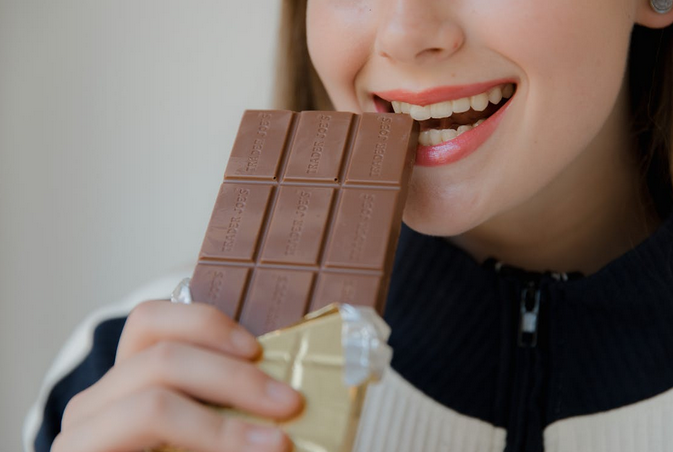
It usually starts innocently—a handful of chips here, a biscuit there, maybe a quick bite while scrolling on your phone. Snacking feels harmless, even helpful, when you need a quick energy boost. But over time, those small bites can quietly stack up, affecting your health, habits, and even your mindset around food. The “snack trap” isn’t about one bad choice; it’s about the pattern that forms when mindless eating becomes routine.
Mindless Eating Adds up
One of the biggest issues with snacking is how easily it slips under the radar. Unlike full meals, snacks often go uncounted in your daily intake. You might not remember that extra cookie or those few fries, but your body does. Over days and weeks, these small additions can lead to consuming far more calories than you realize. The math is simple, but the impact can be surprisingly significant.
The Blood Sugar Rollercoaster
Frequent snacking, especially on sugary or highly processed foods, can send your blood sugar levels on a constant up-and-down ride. You get a quick spike in energy, followed by a crash that leaves you feeling tired and craving more food. This cycle not only affects your energy levels but can also influence your mood and focus throughout the day.
Hunger vs. Habit

Not all snacking comes from real hunger. Often, it’s driven by habit, boredom, or even emotion. You might find yourself reaching for food simply because it’s there or because it’s a certain time of day. This disconnect between actual hunger and eating can make it harder to regulate your intake. Over time, your body’s natural hunger cues can become less reliable, making mindful eating more challenging.
Portion Sizes Blur the Line
Snacks are often marketed as “small” or “light,” but portion sizes can be misleading. It’s easy to eat multiple servings without realizing it, especially when snacking straight from a package. What starts as a quick bite can quickly turn into a full meal’s worth of calories. Without clear boundaries, snacking can unintentionally replace balanced meals.
Emotional Comfort in Small Packages
Food is often tied to comfort, and snacks are no exception. A sweet treat after a stressful day or a salty bite during a break can feel rewarding in the moment. But when snacking becomes a primary way to cope with emotions, it can create a cycle that’s hard to break. The temporary relief is often followed by guilt or dissatisfaction, which doesn’t solve the underlying issue.
Breaking the Snack Cycle
Getting out of the snack trap doesn’t mean eliminating snacks. It’s about becoming more intentional. Paying attention to why you’re eating, choosing more nutritious options, and setting limits can make a big difference. Planning your meals and snacks ahead of time can also help you avoid impulsive choices that don’t align with your goals.
Snacking isn’t the enemy—it’s the pattern behind it that matters. Small bites may seem insignificant in the moment, but they can have a lasting impact when they become a habit. By understanding the hidden effects of frequent snacking and making more mindful choices, you can take back control of your eating habits. In the end, it’s not about perfection, but about awareness and balance in the choices you make every day.